
Top US Doctors: Best Oils, Avoid Cooking Errors

The best oils for deep-frying
Deep-fried food is naturally craved during the monsoon season. However, individuals frequently steer clear of deep-fried foods because they believe they are unhealthy. Deep-frying is good, according to renowned nutritionist Rujuta Diwekar, who also asserts that everything is healthy when consumed in the proper quantity, at the appropriate frequency, and for the intended purpose. In a recent Instagram post, gastroenterologist Dr. Saurabh Sethi, who received training at AIIMS, Harvard, and Stanford universities, discussed four of the best oils for deep-frying. He also discussed which oils are best to stay away from while deep-frying and why in the video post. Check out his recommendations and read about the typical deep-frying errors and how to avoid them.
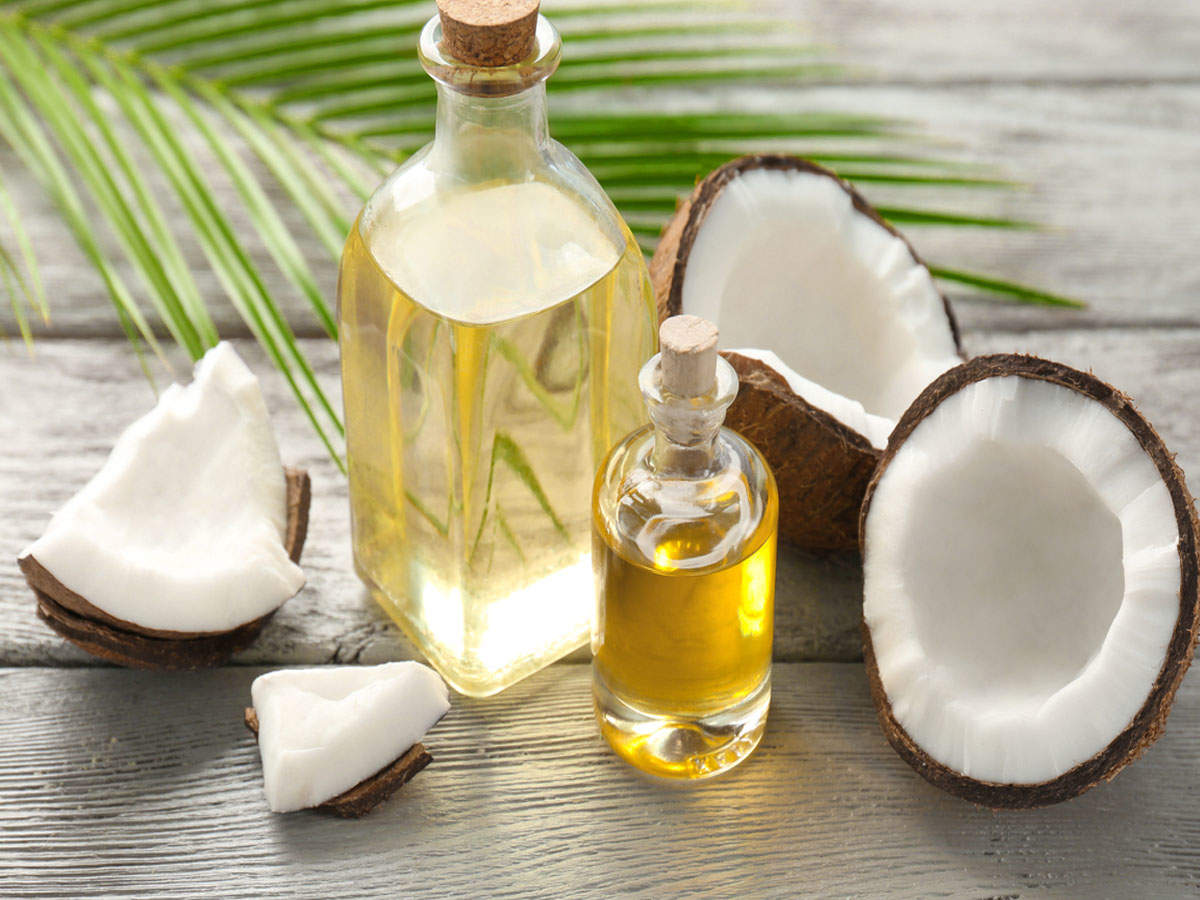
Coconut Oil Refined
Dr. Sethi claims that it has a high smoke point of almost 400 degrees Fahrenheit and is heavy in saturated fats. Additionally, it is claimed that medium-chain fatty acids like lauric acid, which have antibacterial qualities, are present in coconut oil and help hydrate skin, lessen inflammation, and promote wound healing.
 Olive oil that has been refined
He clarified in the post that refined olive oil has a high smoke point of about 465 degrees Fahrenheit and is high in monounsaturated fats. The natural substance oleocanthal, which has anti-inflammatory properties akin to those of ibuprofen, may help lessen chronic inflammation. He cautions against using extra virgin olive oil for deep-frying.
Clarified butter or ghee
According to Dr. Sethi, it is suitable for deep-frying due to its high smoke point of approximately 45 degrees Fahrenheit. Ghee is thought to increase immunity and memory while also lubricating the walls of the gastrointestinal tract and aiding in digestion. Additionally, ghee helps those with stiffness or arthritis by acting as a natural joint lubricant. Ghee’s vitamin K2 aids in bone strength and calcium absorption. It may improve memory and concentrate and offers saturated fat, which is necessary for the health of the neurological system.
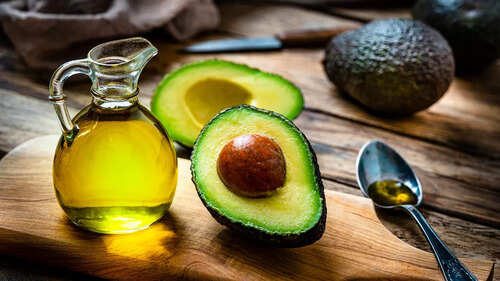
Avocado oil
According to Dr. Sethi, it is suitable for deep-frying and has a high smoke point of about 520 degrees Fahrenheit.
 Which oils to stay away from
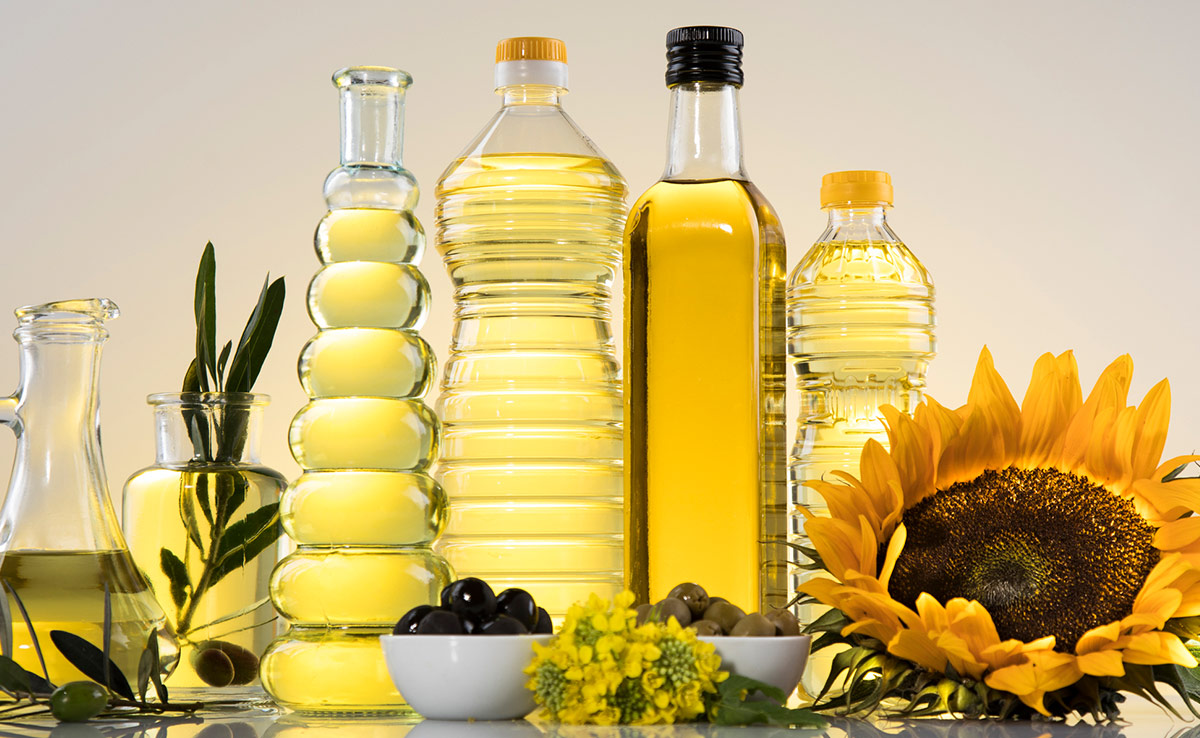
In conclusion, Dr. Sethi advises against using seed oils such as canola, soybean, and sunflower because they contain a lot of polyunsaturated fats and can oxidize at high temperatures, which is bad for human health.
Errors to prevent
Although deep-frying may seem like a simple culinary technique, it actually requires a lot of science, so it’s critical to comprehend the oils and chemicals used and how they interact. Check out the typical blunders people make when deep-frying.
Filling the pan to capacity
It is incorrect to place too much food in the oil at once when deep-frying. It results in uneven cooking and lowers the temperature of the oil. To get a crispy texture, it is advised to cook in small batches at a constant temperature.
 Too early seasoning
It is not a good idea to add salt or spices to the batter or substance before deep-frying. Food gets soggy and splatters with oil as salt and other spices pull out moisture. Seasoning right before frying is recommended for optimal results. Additionally, if the meal permits, seasoning might be added after frying.
Food left in oil for too long
It’s a myth to fry food for an extended period of time in the hopes that it will become crispier. Experts say that overcooking results in a harsh taste and a burnt or rough texture. The best method is to fry till golden brown, then drain right away.
Reusing burned or outdated oil
Reusing the same oil over and over again is not healthy. The utilized oil degrades, turns poisonous, and alters the taste of your meal.
 Not adequately draining fried food
It is unhealthy to not drain the dish after deep-frying or to omit the paper towels. Food can become greasy and heavy when it retains too much oil. When draining, it’s preferable to use a wire rack or paper towel rather than piling hot objects on top of one another.
Read More: Nvidia Urges US: No Location Verification, Backdoors