
iPhone 17 Versus 16 Pro: Display Similar, Packages Different
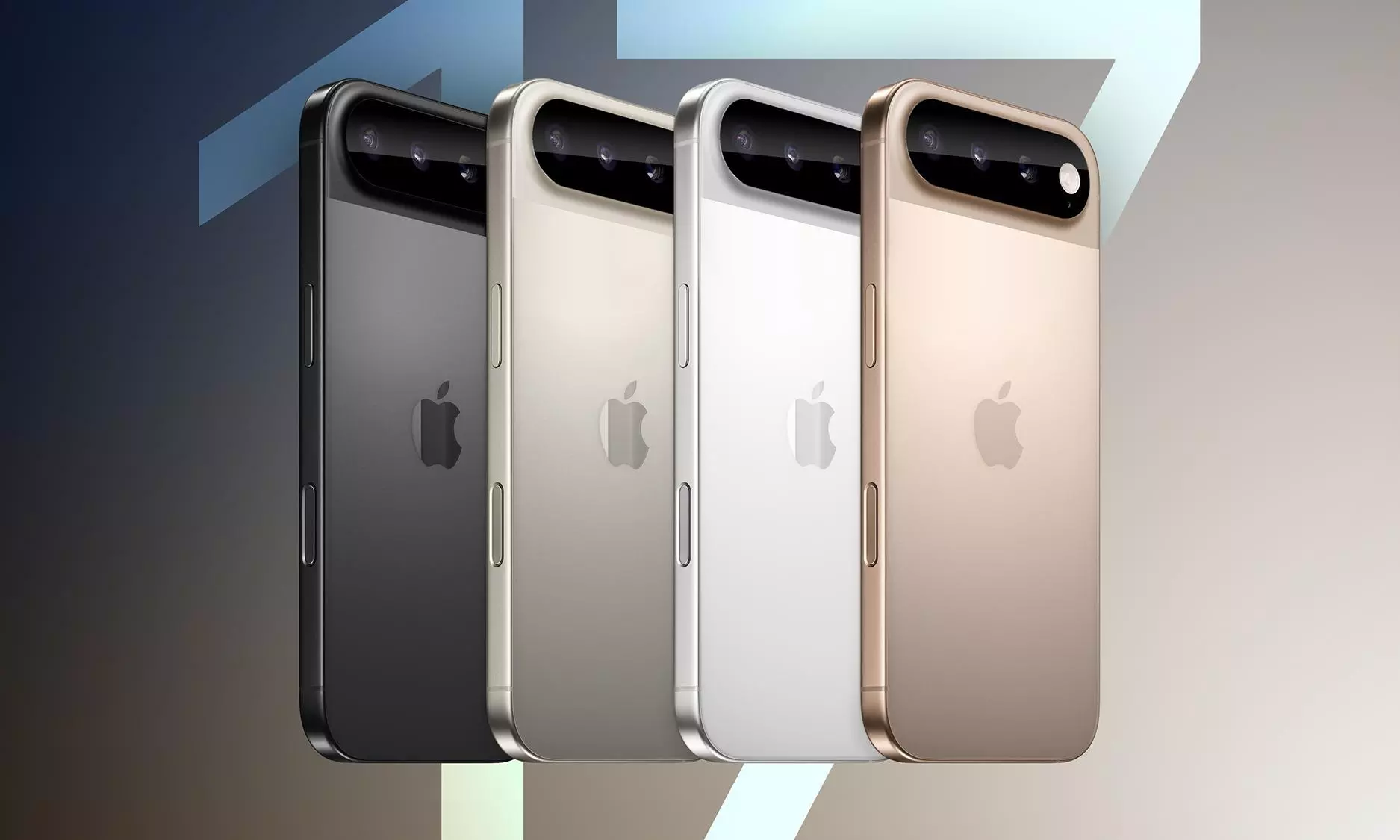
With the base iPhone 17, Apple really went above and beyond, making it one of the most affordable iPhone models the company has released in a long time. It’s actually more intriguing to compare the iPhone 17 to the iPhone 16 Pro model from last year because of all the amazing enhancements.
Displays
Both of these phones have strikingly similar screens, as the headline states.
6.3-inch OLED screens with ProMotion, support for an Always-On Display, 1000 nits of normal maximum brightness, and 1600 nits when watching HDR content are features shared by the iPhone 17 and iPhone 16 Pro. Additionally, they provide the same contrast ratio and resolution.
The outdoor peak brightness is where they diverge somewhat. While the iPhone 17 can reach up to 3000 nits, the iPhone 16 Pro can only reach 2000 nits. They have essentially the same display outside of that specification, which is amazing for an iPhone base model.
Chipsets
The A18 Pro chipset is available in the iPhone 16 Pro, whereas the A19 chipset is available in the iPhone 17. Apple expects moderate advancements in the CPU section but rarely releases direct comparison data for year-over-year silicon upgrades. Both of these phones will support the full range of Apple Intelligence features and have 8GB of RAM.
The GPU section is where the biggest disparity exists. The A19’s GPU cores contain built-in neural accelerators, which may be useful in the future, even though the A18 Pro has a 6-core GPU (compared to the A19’s 5-core).
The N1 processor, Apple’s first proprietary Wi-Fi, Bluetooth, and Thread chipset, is also included in the iPhone 17.
 Life quality
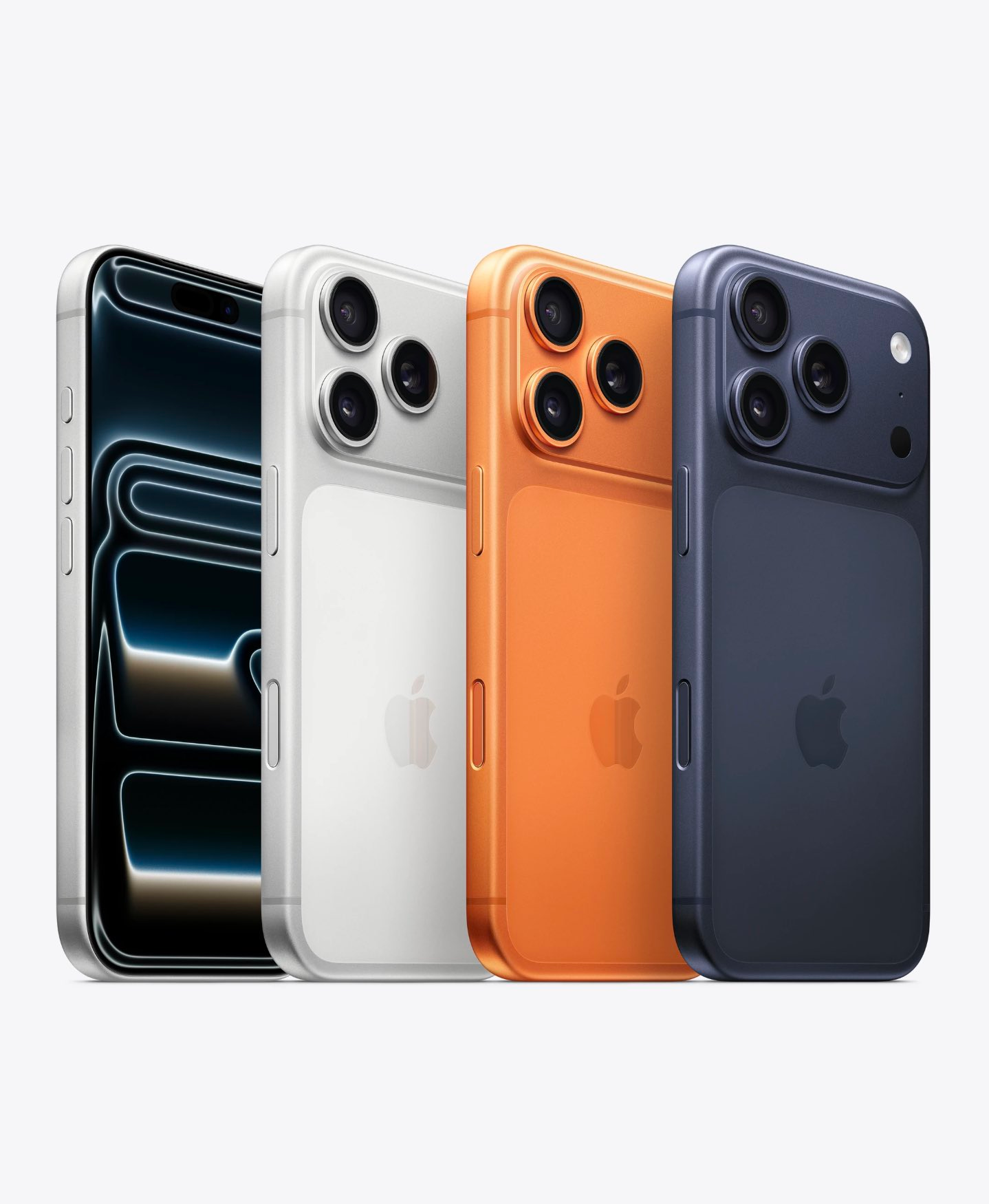
The premium construction and its accompanying higher-end capabilities are the two main advantages of the iPhone 16 Pro over the iPhone 17.
The brushed titanium surface of the iPhone 16 Pro is attractive. Despite being less thermally conductive than aluminum, it is also far more robust.
A speedier USB-C port with USB 3 speeds is another feature of the iPhone 16 Pro. This will enable 20 times faster transfers than the iPhone 17’s USB-C connector.
Apple’s camera control button is also available on both phones.
Cameras
With their remarkably identical 48MP primary and super wide sensors, the iPhone 16 Pro and iPhone 17 are probably the best options available. Additionally, both of them provide 2x cropped telephoto images from the primary sensor.
But depending on what you’re photographing, the iPhone 16 Pro’s specialized 5x telephoto camera can be very useful. Because of this, the iPhone 16 Pro probably wins in the category of rear cameras.
However, the iPhone 17 also has a huge advantage in terms of the selfie camera. Thanks to a redesigned square sensor, Apple’s new 18MP Center Stage front camera enables substantially broader selfies and the ability to snap landscape selfies without turning the phone.
Life of the battery
The battery life of the iPhone 17 was significantly longer than that of the iPhone 16, increasing from 22 to 30 hours. Though the iPhone 17 now has three hours of video playback, the improvement isn’t as significant as it was with the iPhone 16 Pro. Even if I wouldn’t exactly sleep over the difference, it’s still not nothing.
The charging speed is where these two models diverge most. With Apple’s new 40W Dynamic Power Adapter with 60W Max, the iPhone 17 can fast charge up to 50% in 20 minutes, while the iPhone 16 Pro can do so in 30 minutes.
Additionally, the iPhone 17 has a 25W MagSafe charging capacity, compared to the iPhone 16 Pro’s 22W. For both phones, a 30W power adaptor is required.
 Conclusion
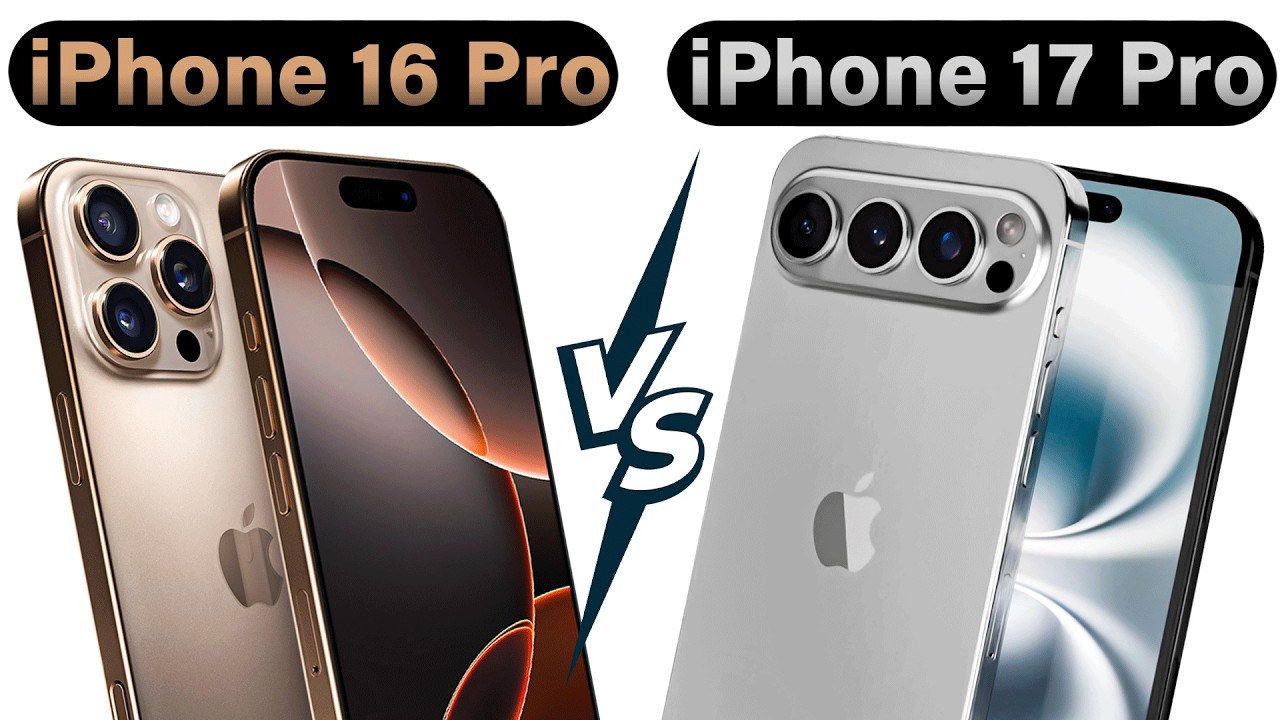
In summary, the iPhone 17 is a better package for the general public, even though the iPhone 16 Pro still has many fantastic features, particularly in the area of photography. The choice is ultimately up to you because I’m confident that both of these phones will function just as effectively in the long run.
The main justification for choosing the iPhone 17 is, in my opinion, if you value the selfie camera and the device’s more eye-catching hues. Everyone else should consider the iPhone 16 Pro.
Another significant benefit of the iPhone 16 Pro is the availability of a larger version, the iPhone 16 Pro Max. Unless you include the iPhone Air, there isn’t a larger version of the iPhone 17 this year.
In terms of cost, a 128GB iPhone 16 Pro, 256GB model, and 256GB iPhone 16 Pro Max are now available on Amazon for approximately $736, $819, and $959, respectively. All of this is comparable to Apple’s iPhone 17, which costs $829 (or $799 if you activate with a carrier).
Out of these two phones, which would you choose? Tell us in the comments section.
Read More: 6 Tips To Saute Mushrooms Without Sogginess