
Amazon to Acquire AI Wearable Firm Bee
In the most recent instance of tech behemoths stepping up their efforts in generative artificial intelligence, Amazon has announced plans to purchase wearables startup Bee AI.
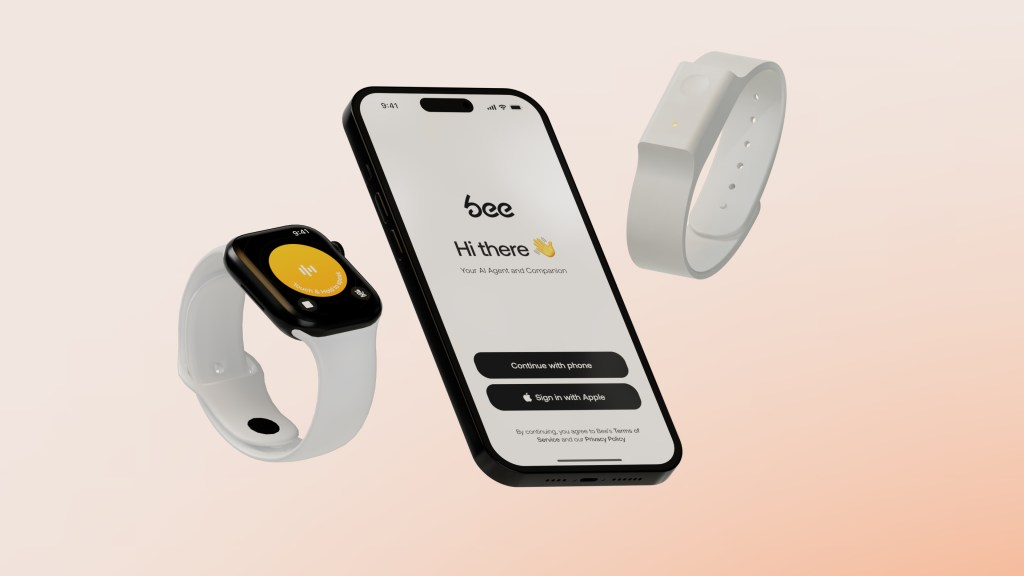
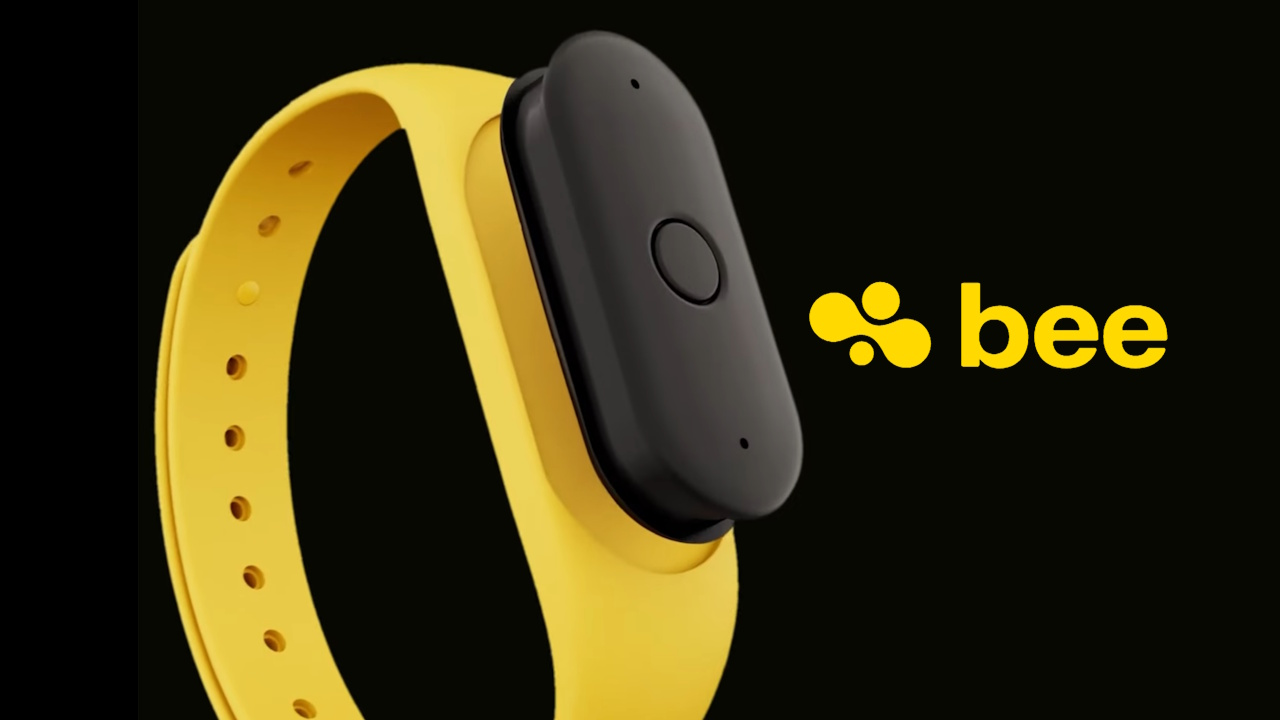
San Francisco-based company Bee produces a $49.99 bracelet that resembles a Fitbit smartwatch. The gadget has microphones and artificial intelligence (AI) built in to listen to and analyze conversations and generate to-do lists, reminders for daily tasks, and summaries.
In a Tuesday LinkedIn post, Bee CEO Maria de Lourdes Zollo revealed the company’s intention to join Amazon.
When we founded Bee, we envisioned a world in which artificial intelligence (AI) is genuinely personalized, where technology understands and improves your life as it learns alongside you, Zollo wrote. “Amazon is the new home for what started as a dream with an amazing team and community.”
Alexandra Miller, a representative for Amazon, affirmed the company’s intentions to purchase Bee. Regarding the specifics of the agreement, the business declined to comment.
 Amazon has launched a slew of AI products, such as its line of Nova models, Triennium chips, a chatbot for shopping, and Bedrock, a marketplace for third-party models.
In an effort to undermine the success of competitors like Google’s Gemini, Anthropic’ s Claude, and OpenAI’s ChatGPT, Amazon has also updated its Alexa voice assistant, which was first introduced over ten years ago, with AI capabilities.
Amazon-owned Ring, a smart home security business, has also considered incorporating generative AI into some of its products.
Amazon previously dabbled in the wearables market with Halo, a product geared toward fitness and health. In 2023, it sunsets the Halo as part of a larger evaluation of cost-cutting measures.
AI-powered consumer electronics have been introduced by other tech firms, with varying degrees of success.
The AI pin created by Humane, which subsequently sold to HP, and the Rabbit R1, a tiny, square device that costs $199 and responds to inquiries using an OpenAI model, are two examples.
 Since the initial iteration of Meta’s Ray-Ban smart glasses was introduced in 2021, their popularity has increased.
In May, OpenAI paid about $6.4 billion to acquire Jony Ive’s AI device business, io. According to reports, the corporation intends to create a gadget without a screen.
Read More: Unlike Partey, Arsenal followed correct protocols.