
Fibermaxxing Trend: Healthy Choice, Here’s Why
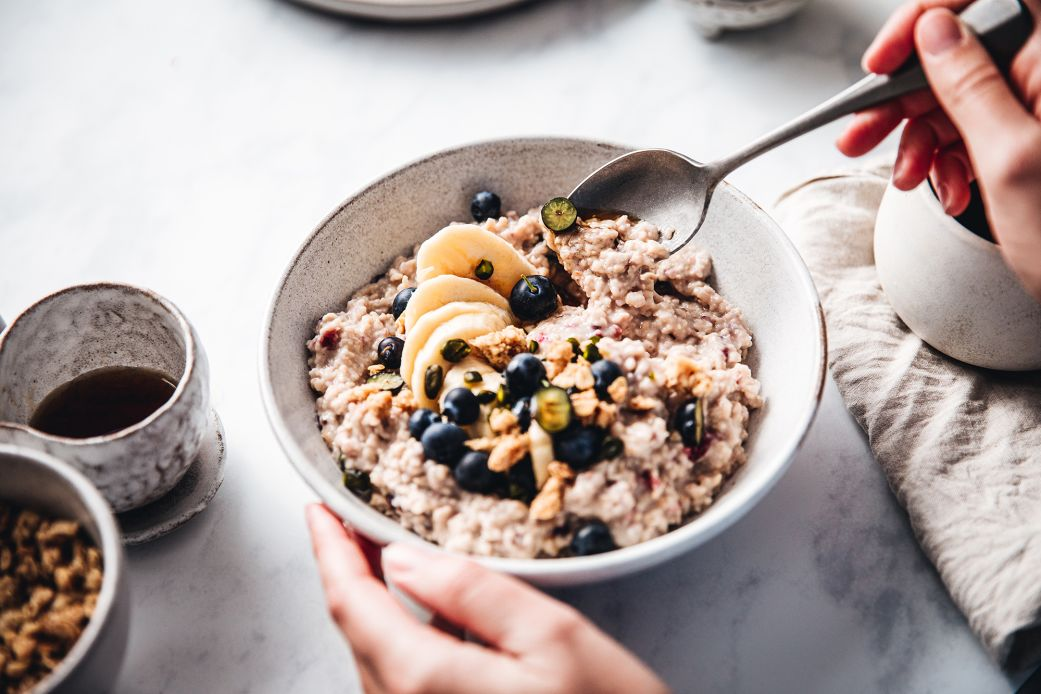
Raspberries, strawberries, goji berries, and chia seeds: To encourage her followers to consume more of the nutrients that she claims have eliminated her bloating, a TikTok user going by the handle “impamibaby” is packing her lovely wooden breakfast bowl full of foods high in fiber and recording the process.
She’s “#fibermaxxing,” which is the practice of consuming foods that help people reach or surpass their daily fiber intake recommendations for weight loss, intestinal health, and other reasons. Tens of millions of people have viewed and liked videos that carry the tag. They typically show individuals preparing and consuming meals consisting of foods high in fiber, and occasionally they have text overlaying them that describes the nutrient quantity in the food and its health advantages.
According to registered dietitian Lauren Manaker, TikTok has promoted numerous dubious eating trends, such as NyQuil chicken and #SkinnyTok, but occasionally surprises users with something truly worth trying. That’s fibermaxxing at the moment.
Manaker, owner of Nutrition Now Counseling, a nutrition communications company based in Charleston, South Carolina, stated via email that “the majority of Americans aren’t getting nearly enough fiber in their diets, and that’s a problem.”
Approximately 90% of women and 97% of men in the United States do not meet the dietary requirements for Americans, which indicates that adults consume 22 to 34 grams of fiber per day, depending on age and gender.
Adequate consumption of fiber has “been a recommendation that has not changed for years,” said gastroenterologist Dr. Kyle Staller.
“Fibre is an oldie but goodie,” said Staller, an associate professor of medicine at Harvard Medical School in Boston and the director of the Gastrointestinal Motility Laboratory at Massachusetts General Hospital, despite a lot of science that comes and goes and trends that come and go.
However, if you make significant changes too soon, fibermaxxing can undoubtedly have negative effects, just like everything else, and particularly TikTok trends, according to Staller.
 The health benefits of fiber
According to experts, dietary fiber comes in two varieties: soluble and insoluble.
According to scientists, soluble fiber is more closely linked to some of the digestive advantages of fiber since it dissolves in water and absorbs it to create a gel-like structure. Conversely, insoluble fiber aids in bigger and more frequent bowel motions since it is insoluble in water.
“For general health, a balance of both is essential,” Manaker stated. “You may suffer from digestive problems like bloating or constipation if you consume too much of one type and not enough of the other.”
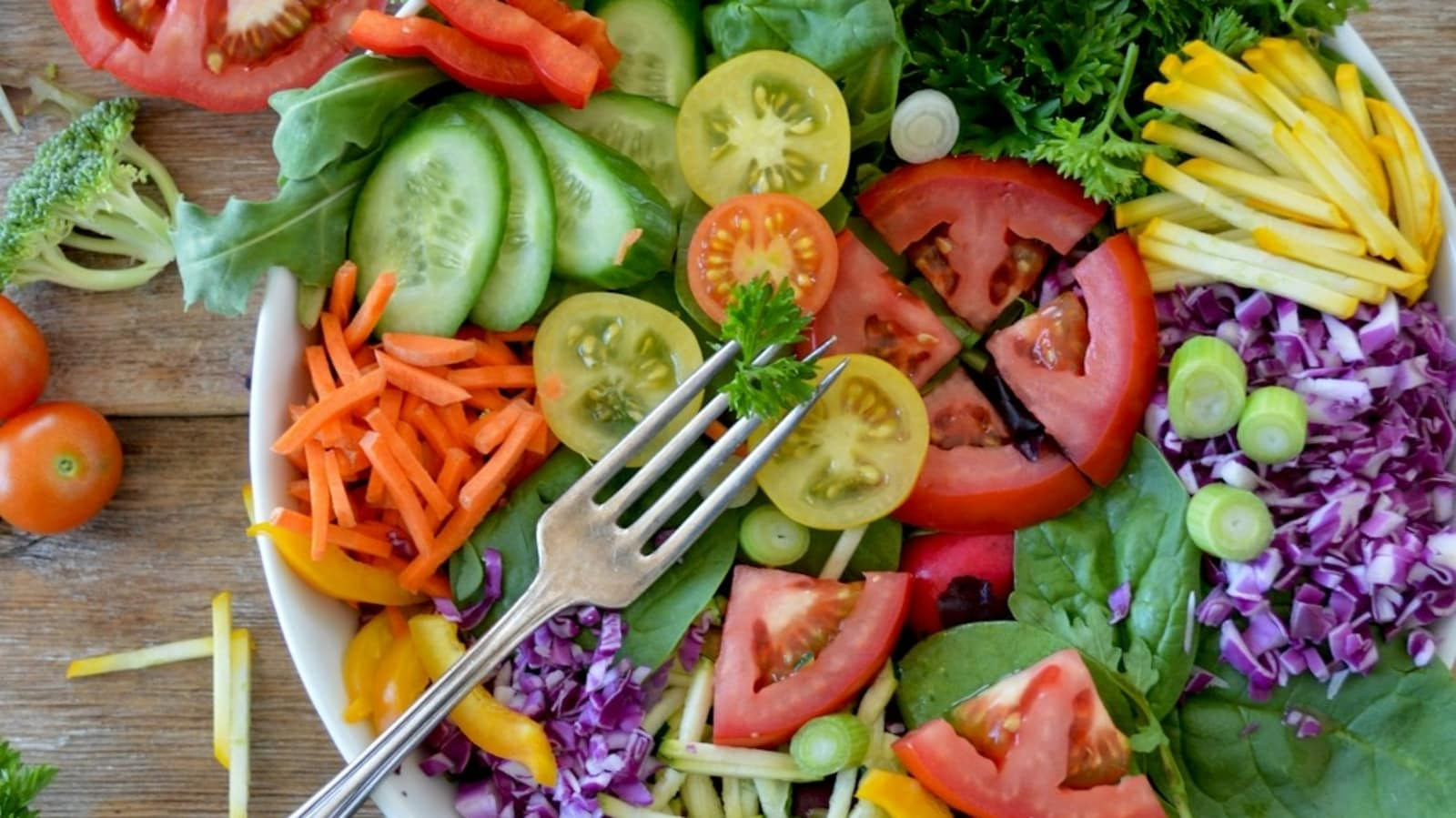
Both kinds are present in most fibrous foods. According to the Mayo Clinic, foods high in soluble fiber include apples, bananas, citrus fruits, barley, carrots, oats, beans, and psyllium, which is derived from the seed husks of the Plantago ovata plant. Nuts, beans, whole-wheat flour or wheat bran, and vegetables like green beans, cauliflower, and potatoes are among those that contain a lot of insoluble fiber. Meals created with a range of these items, such vibrant salads combining various leafy greens and vegetables, are featured in many TikTok films about fibermaxxing. Fibermaxxers frequently eat variations of the TikTok user impamibaby’s breakfast, which is high in insoluble fiber.
Many advantages of consuming adequate fiber
The association between higher fiber intake and decreased rates of colon and rectal cancers may be explained by a handful of things, according to Jennifer House, a registered dietitian nutritionist and founder of First Step Nutrition in Alberta.
Fiber reduces the amount of time waste is in contact with the intestinal tract by increasing the weight of the stool. Additionally, she said, “our gut bacteria ferment fiber, and it creates something called short-chain fatty acids,” like butyrate, which helps support important colon cells and prevent inflammation and cancer cells.
Additionally, recent studies indicate that increasing fiber intake may improve survival rates for those with colon cancer, according to Staller.
According to experts, fiber can also lower your risk of developing other chronic diseases and health issues, such as type 2 diabetes, high cholesterol, cardiovascular disease, and early mortality. Additionally, by enhancing your digestion, you lower your chance of developing constipation-related ailments like hemorrhoids and pelvic floor disorders.
Read More: Amazon to Acquire AI Wearable Firm Bee