
Taste Italy’s Best Cuisine in National Parks
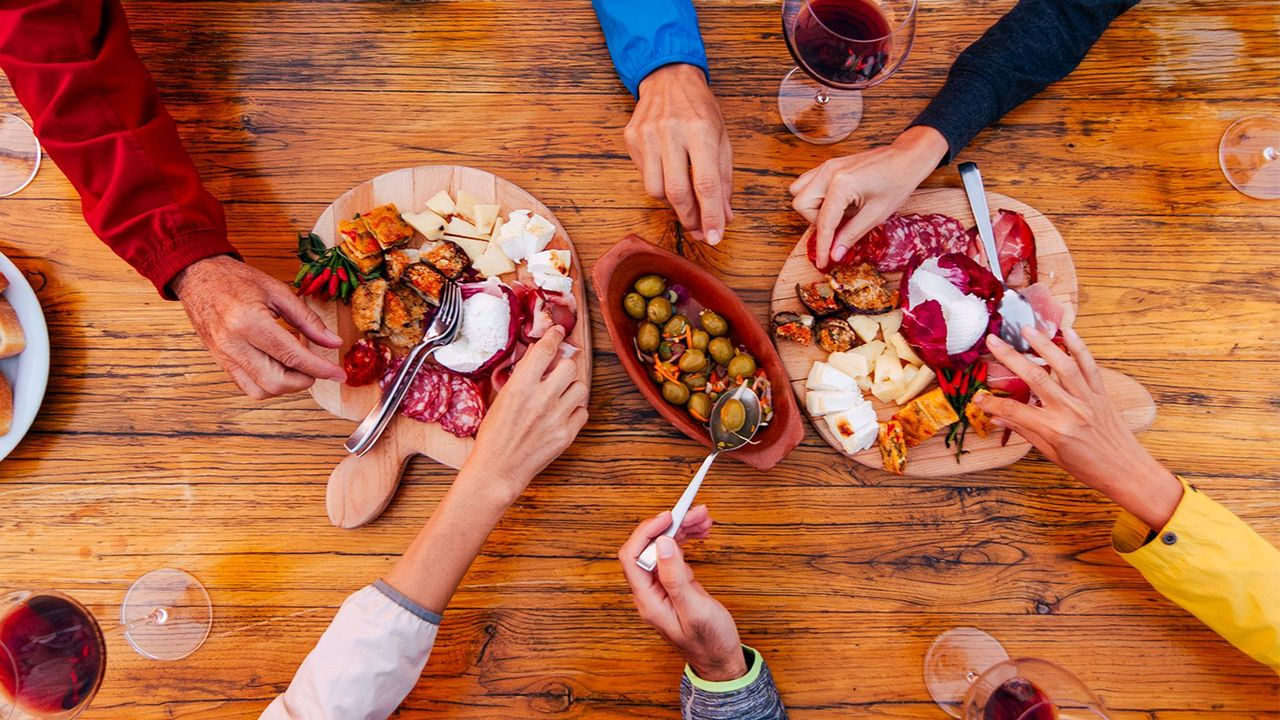
Most tourists never consider visiting Italy’s national parks because there are so many well-known cities and coastlines to discover, but these untamed settings provide incredible Italian culinary experiences.
Every time we travel to my husband’s relatives in Calabria, which is at the point of Italy’s boot, we always take the train instead of the six-hour drive down a congested autostrada (motorway). However, since we’ll be taking a detour to a national park, we’ll be driving this time. That means one thing to us and a lot of Italians: we’re bringing food back.
With so many well-known cities and coasts, most tourists seldom consider visiting Italy’s parchi nazionali (national parks), much less the fact that these untamed regions are among the best places to eat in a country known for its cuisine.
From the rocky Alpine spine in the north to the sawtooth heel in the south, Italy boasts 26 national parks that include mountain ranges, waterfalls, ancient forests, charming villages, and abandoned towns. However, farms, generational vineyards, and orchards can also be found within these biodiverse settings. After passing herds of sheep, hogs, and dairy cows, hikers may pass restaurants and artisanal food stalls that serve park-to-table meals prepared with products that are sourced locally.
A utopia for those who love nature? Of course. A gastronomic secret that only Italians know about? Of course.
 Italian-style national parks
Unexpectedly, some of Italy’s best cuisine may be found in its national parks. After all, private farms on protected property are uncommon in many locations, including the US. However, the situation is different in Italy, where numerous national parks were established amidst historic villages and centuries-old farming enterprises.
In Italy, nature and humans coexist harmoniously. They are not two distinct entities. According to Paolo Iannicca, a tour guide located in the Parco Nazionale d’Abruzzo, Lazio e Molise, “it’s a philosophical idea.” As a result, Italy’s old pastoral heritage and abundant biodiversity have produced a vast array of enogastronomic items that are still valued today after being grown for centuries.
Perhaps the most Italian vacation experience of all is visiting a national park to find the freshest ingredients.
“It’s in our DNA,” explains chef Maria Nasso, who often works with the culinary programs of the Parco Nazionale del Circeo. “Food is the center of the Italians’ days. Good cuisine is a constant, even when it comes to the lodging option, when going to a park on vacation.
Italians are particularly affected by national park food experiences because of this. Even while Italy is well-known abroad for foods like pizza and lasagna, its cuisine is strongly centered around individual products, and each village is frequently recognized for a product that is grown there.
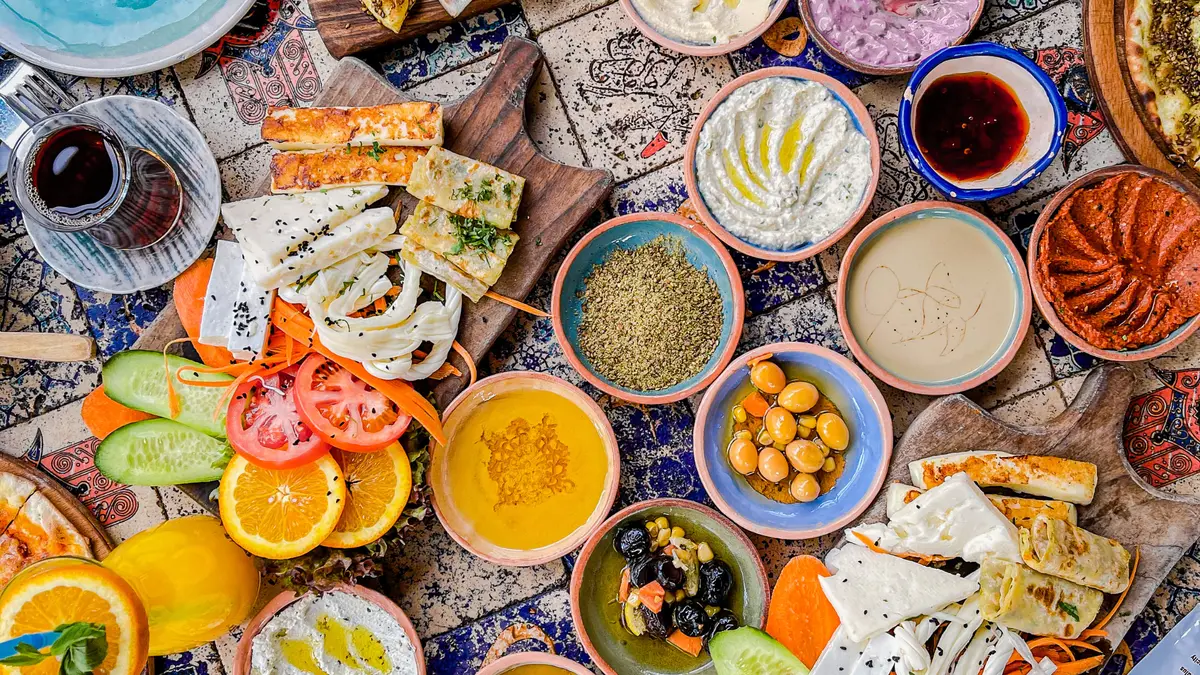 Marsala wine and Parma ham may be familiar to you. Discover more about the lentils of Pescasseroli, the artichokes of Sezze, and the provola of Agerola. Even though pasta alla carbonara is a favorite among Italians, we go crazy over a strain of ancient wheat and give each other artisanal goods as if they were gems. We’ll say, “I’ve been to the Dolomites,” “I bestow upon you the prized rhododendron honey.”
From cheese to meat to indigenous veggies, Italy’s wild parks are the epicenter of chilometro zero (zero-kilometer) products. According to Iannicca, owner of La Bottega di Gaia, an artisanal store that sells goods from the Parco Nazionale d’Abruzzo, Lazio, and Molise, “typical local products are non-negotiable for Italians.” “They want to eat authentic, typical food, and that’s exactly what [parks] provide.”
“In Italy, food is part of the emotional geography,” says Teresa Maradei, proprietor of the farm Terraegusto in the Parco Nazionale del Pollino in Calabria. Experiencing the scenery with all of your senses is what it means to visit a park and enjoy its flavors. It’s a very Italian approach to ecotourism.