
6 Tips To Saute Mushrooms Without Sogginess
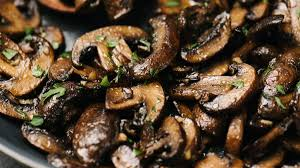
How to sauté mushrooms without making them soggy: 6 suggestions
When prepared properly, mushrooms have an earthy, nutty, and umami-rich flavor similar to the forest floor after rain. However, they typically disintegrate in the pan, letting water out until they are only limp ghosts of their former selves. The mushroom itself rarely makes the difference between golden sear and grey sogginess; rather, it’s how you treat it. Cooking them involves little gestures of care rather than following rigid recipes. Here’s how to entice them to shine.
From the beginning, keep them dry.
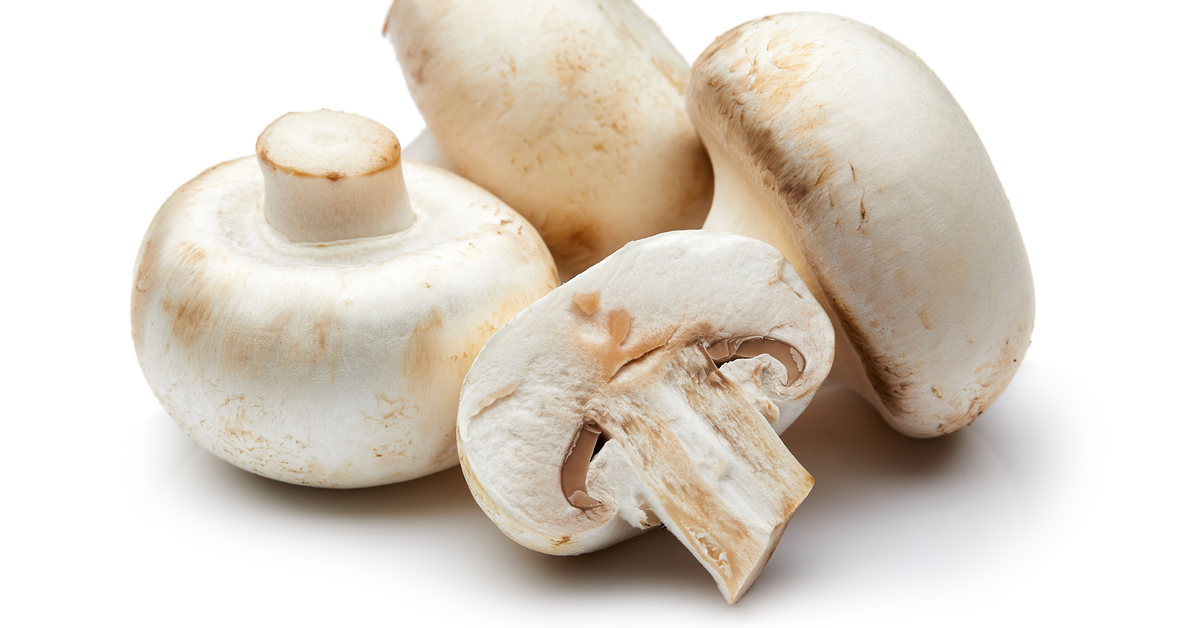
Since the majority of mushrooms are water, the less extra they contain, the better. They only soak up more when you wash them under the faucet, and this eventually seeps out in the pan. Grit can be easily removed with a moist cloth, paper towel, or soft brush. In this manner, the water that clings to the mushroom’s skin will not be affected by the heat.
 Allow the pan to warm up.
If you put a mushroom in a lukewarm skillet, it will eventually stew in its own juices. Hold off until the oil in your pan is hot enough to ripple and shimmer. The tone is set by the initial snap of the mushrooms as they come to the surface; high heat causes them to sear before leaking. They get the kind of touch that quickly develops flavor from a hefty pan made of stainless steel or cast iron.
Don’t overcrowd their stage.
Mushrooms require room. They will steam and release moisture into their neighbors if you pile them on top of each other. Arrange them in a single layer, providing a hot metal patch for every slice. Cook in batches if you have more than the pan can hold. Yes, it takes longer, but the result will be caramelized edges rather than a soggy mess.
Refrain from adding salt.
Salt is a saboteur as well as a friend. If done too soon, it drains the water, leaving the mushrooms wet and pallid. Await their browning, shrinkage, and coloration. Then, to make what’s already there even better, sprinkle. The salt sticks to the seared edges of the mushrooms rather than washing them away, and the late seasoning keeps the mushrooms solid.
 Cut not for speed but for the dish.
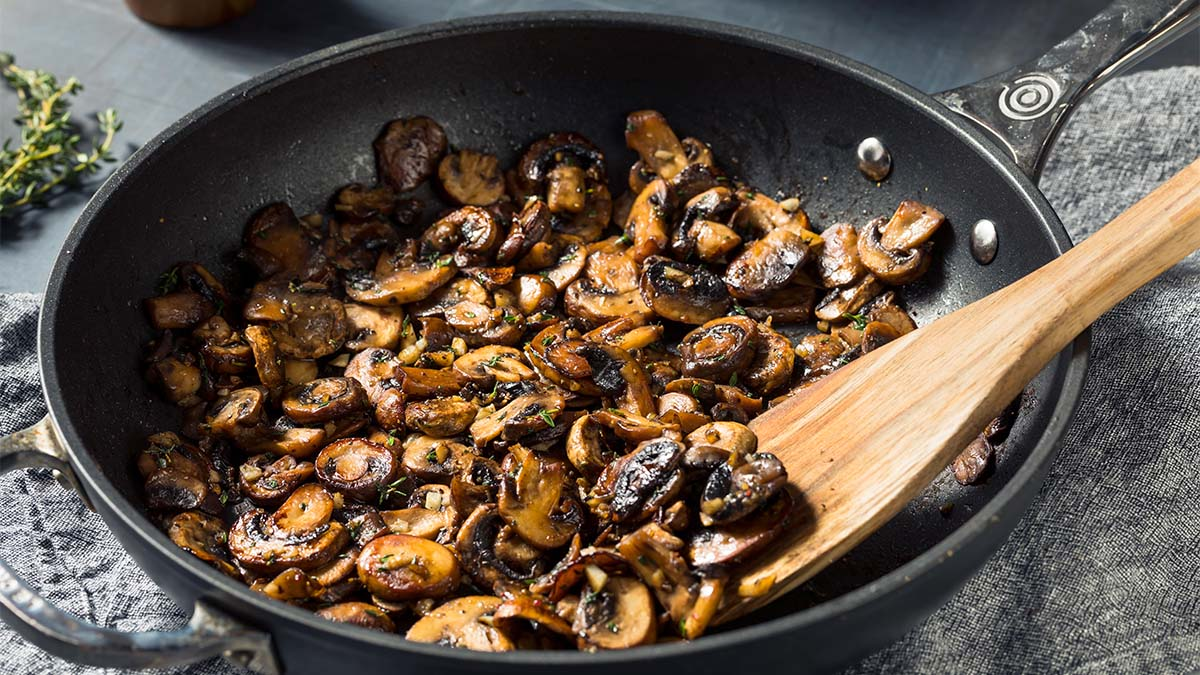
The way mushrooms are sliced alters their narrative. Thin slices are ideal for stir-fries or toast because they cook fast and acquire crisp, golden edges. In pasta dishes and risottos, chunkier slices stand out because they retain their bite. Keep the cut even no matter what. Cooking mushrooms together enhances their flavor.
Finish with scent and richness.
Butter adds soul, but oil can withstand the heat. Let the oil do the hard lifting first so that the mushrooms can caramelize and sear without worrying about burning. Add a glob of butter right after they’ve gone golden and shrunk into themselves. It coats each slice with a nutty shine as it melts. This is the time to add parsley, garlic, or thyme—not earlier, when they might burn, but now, when the mushrooms are ready to hold their aroma.