
6 Natural Ways To Keep Apples Fresh Weeks
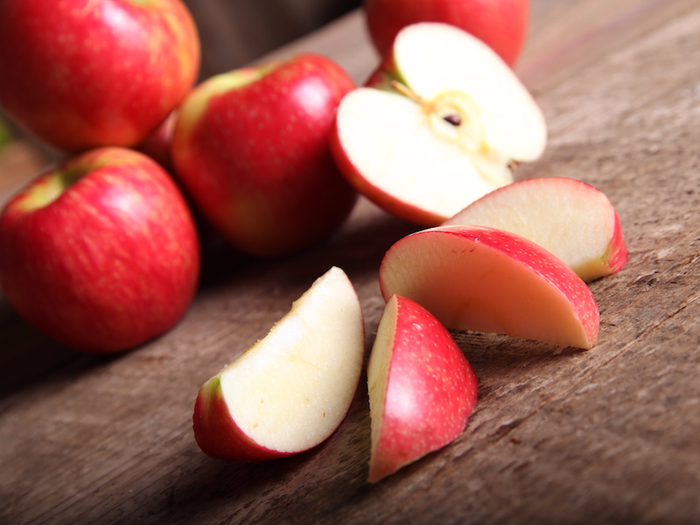
Nothing compares to the juicy, sweet, and revitalizing sensation of biting into a perfectly crisp apple. However, it’s annoying when apples lose their crispness and start to go mealy or soft after a few days. How apples are stored determines how long they stay fresh. You may have that fulfilling snap for weeks rather than days if you take the proper method. Apples can be naturally preserved in terms of texture and flavor by storing them in a cold, damp atmosphere, avoiding ethylene-producing fruits, and often inspecting them for bruising.
Most individuals don’t realize how simple proper storage is. You may greatly increase the shelf life of apples by carefully treating them and managing temperature, humidity, and airflow. Little actions like picking types that naturally keep crisp, packing them separately, and isolating them from other fruits can have a big impact. Your apples will stay juicy, crunchy, and flavorful if you follow these instructions.
These six natural apple storage methods will keep apples crisp and fresh for weeks, ensuring that every bite is just as good as the first.
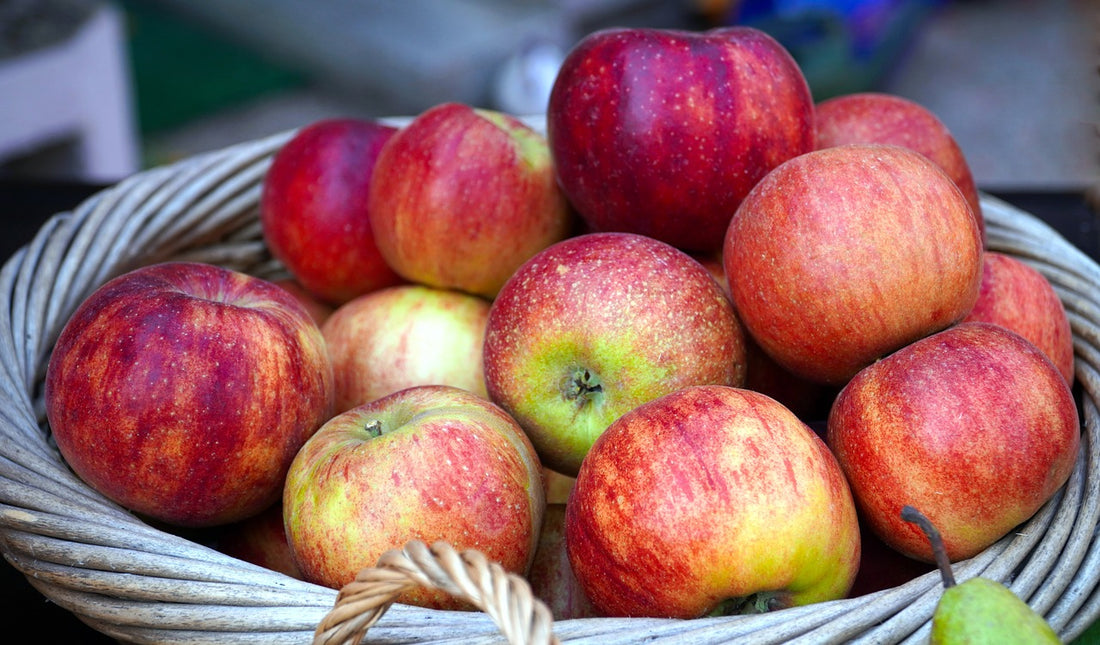 Six tried-and-true methods for keeping apples fresh and crisp
Maintain the proper temperature in the refrigerator.
A cold, slightly humid climate is ideal for apples. The ripening process is slowed down and the meat is kept firm by storing them at 31 to 35°F.
For this, your refrigerator’s crisper section—which holds on to moisture—is ideal. Steer clear of warm locations, which hasten spoiling, and avoid areas that are excessively cold, as freezing temperatures can harm the fruit. Apples may remain fresh and crunchy for weeks when stored correctly, so you have plenty of time to eat them without worrying about them spoiling.
Wrap each apple separately.
A quick tip to stop moisture loss and lessen the likelihood of bruises is to wrap each apple in a slightly moist paper towel or piece of tissue. Due to their fragility, apples can rot more quickly from even small knocks. By wrapping each one separately, you can form a barrier that protects the skin and maintains the crispness within. This technique keeps apples from rubbing against one another and creating soft patches, which is particularly helpful if you store several apples in one location.
Make use of perforated bags.
To keep apples fresh, air circulation is essential. Apples stored in perforated plastic bags maintain a high humidity level while allowing adequate ventilation to avoid mold and rot. You can make tiny holes in a standard plastic bag if you don’t have any perforated bags. By balancing air and moisture, this technique helps to create the perfect microclimate for apples to stay juicy and crisp. Additionally, adequate ventilation lessens the possibility that one damaged apple may harm the others in the vicinity.
Apples should be kept apart from other fruits.
Ethylene gas, which apples naturally exude, accelerates the ripening of neighboring fruits. Bananas, pears, and other ethylene-sensitive crops may ripen and rot more quickly than anticipated if apples are stored with them. Store apples in a different area or container to prevent this. Separating them not only helps other fruits last longer, but it also keeps apples solid and preserves their original flavor.
Select durable types.
In terms of shelf life, not all apples are made equal. Because of their tougher texture and thicker skins, varieties such as Granny Smith, Fuji, and Honeycrisp may be kept fresher for longer. Choose these apples if you want to eat them over a few weeks. Use caution while handling these types to prevent bruising, and preserve them using the other suggested techniques to enhance their flavor and crispness.
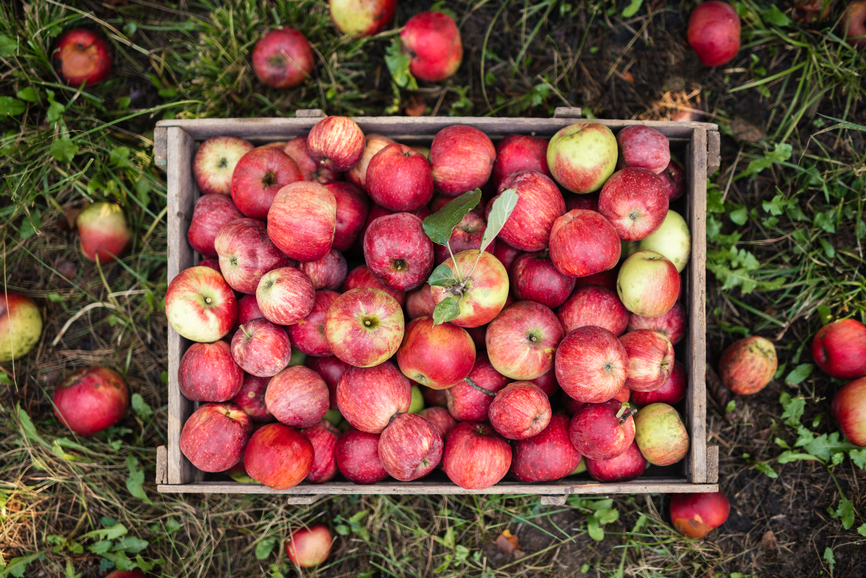 One excellent way to preserve apples for a long time is to freeze them. Before putting the apples in sealed freezer-safe bags or containers, wash, peel, and slice them. Apples that are frozen are perfect for baking, cooking, blending into smoothies, and creating sauces. Even when fresh apples aren’t in season, freezing guarantees that you always have apples on hand and maintains the fruit’s inherent sweetness.
For extended use, freeze
Apples don’t have to be difficult to keep fresh and crisp. You may have apples that remain juicy and crunchy for weeks by keeping them in the refrigerator at the optimum temperature, wrapping each one separately, making sure there is enough airflow, keeping them apart from other fruits, selecting long-lasting types, and freezing them when necessary. With these three steps, you may enjoy delicious, fresh apples every day without wasting any.
Notice: This article is meant primarily for general informational purposes and should not be used in place of expert medical advice, diagnosis, or care. Always get advice from a trained healthcare professional before making any changes to your lifestyle or medical condition.